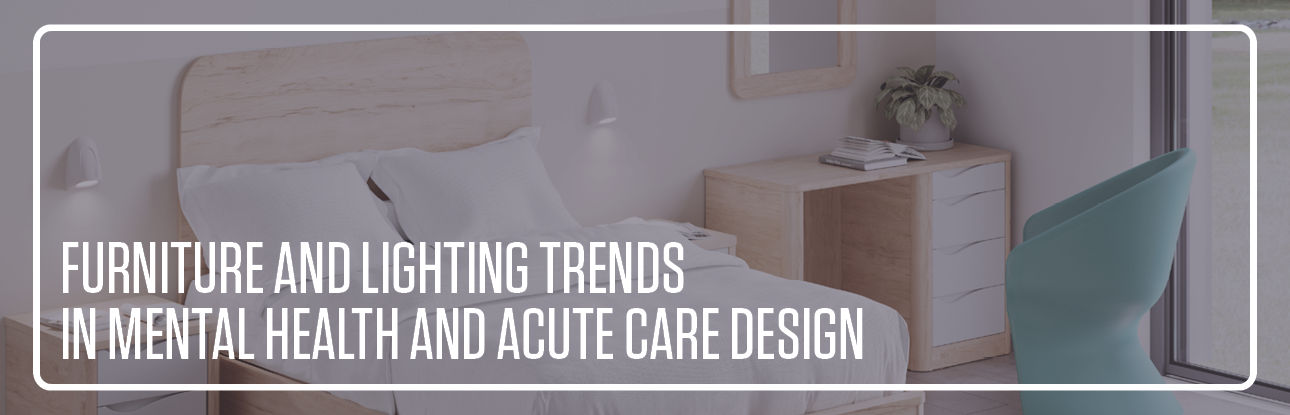
Across the healthcare sector, furniture and lighting are more than functional necessities. They are recognized as active contributors to therapeutic outcomes, shaping how people feel, behave and recover within care environments.
This reflects a broader transition in healthcare design away from purely institutional models and toward spaces that balance safety, performance and human experience.
Furniture and lighting design trends now emphasize comfort, flexibility and wellbeing. Residential, workplace and hospitality interiors favor softer organic forms, visual and functional comfort, soft textural fabrics, layered lighting and spaces that feel reassuring rather than purely functional.
These trends, together with seasonal color progressions influence healthcare design, though they cannot always be applied directly.
In healthcare, furniture is part of the therapeutic infrastructure, supporting emotional regulation, autonomy, flexibility and dignity alongside clinical requirements.
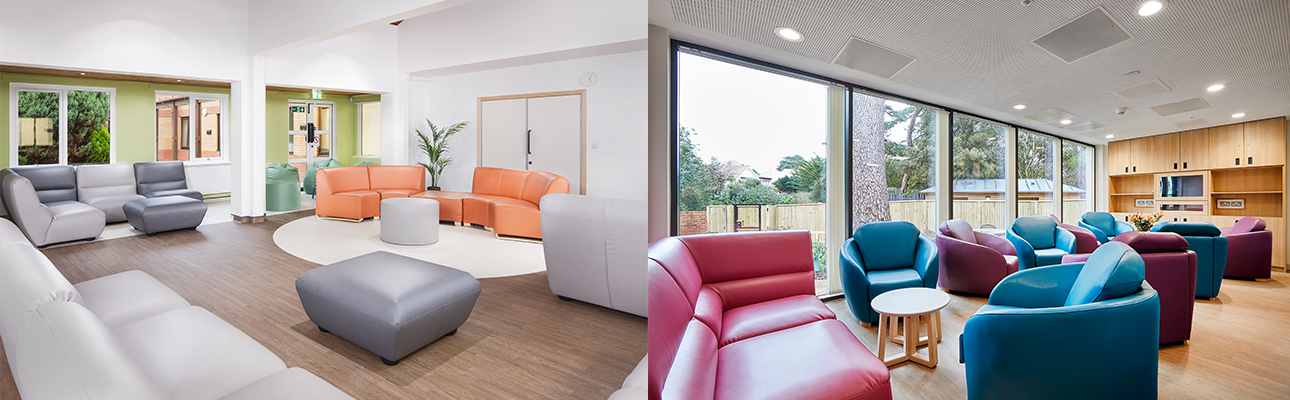
In mental health environments this is evident in the growing use of modular seating, weighted furniture and soft architectural forms. These elements provide grounding and reassurance without relying on overtly institutional cues.
In acute hospital settings, furniture increasingly supports multiple modes of use, from rest and consultation to family visits and recovery.
In practice, furniture should look familiar and contemporary while being designed specifically for care. Reinforced structures, weighted components, anti-stash and anti-ligature forms and concealed fixings ensure safety without compromising comfort, or aesthetic appeal.
Evolving fabric and material technologies offer greater textural choice while remaining durable and suitable for high use, easily cleaned environments.
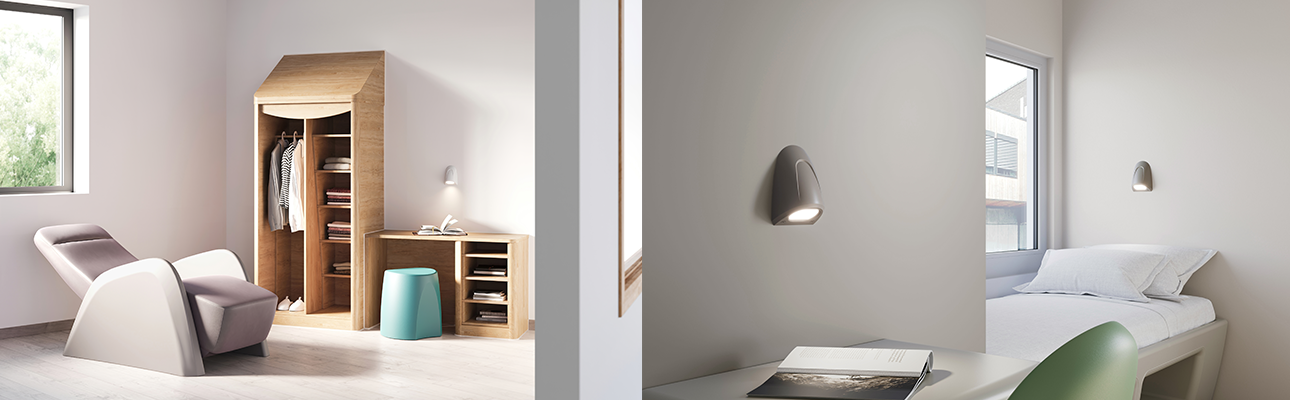
Lighting has become one of the most powerful tools in contemporary healthcare design. Beyond just illumination, it directly influences mood, circadian rhythm, perception of safety and stress levels.
Emerging trends have shifted lighting solutions from uniform, functional systems toward layered and responsive environments.
In mental health facilities, architects are moving away from harsh, centralized lighting toward indirect, adjustable solutions that give users a degree of control. This supports emotional regulation and reduces sensory overload, particularly in acute and high dependency settings.
In acute hospitals lighting increasingly distinguishes between clinical precision and emotional comfort. Patient rooms, family spaces and waiting areas now often feature warmer tones and dimmable systems, while task lighting remains focused and purposeful.
Lighting is no longer a neutral backdrop; it plays an active role in shaping how care is experienced over time. Thoughtful lighting design contributes to calm, restorative spaces while supporting clinical performance and operational requirements.
One of the most significant trends across mental health and acute hospital sectors is de-institutionalization through design detail. Furniture and lighting are central to this shift.
Architects and designers increasingly draw from residential, hospitality and workplace typologies to soften the visual language of care. Lounge style seating domestically influenced materials, subtle lighting cues and furniture arranged in smaller, more familiar groupings help reduce anxiety and create environments that feel approachable rather than intimidating.
This approach balances comfort and familiarity with safety and functionality, supporting wellbeing without being institutional.
In practice, this strategy does not compromise safety or clinical performance. Thoughtful detailing such as discreet integrated safety features, careful material selection and strategic furniture placement allows risk to be managed effectively without overt control.
The result is a space that quietly promotes dignity, autonomy and emotional reassurance while maintaining the rigorous standards required in care environments.
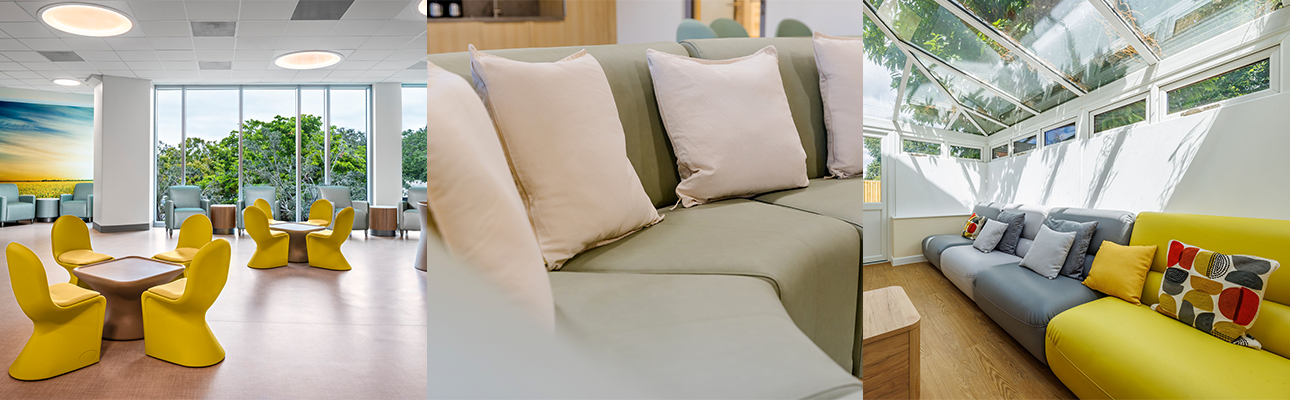
Looking ahead, furniture and lighting will play an even more central role in shaping care environments. Adaptive spaces will become increasingly common, with modular furniture and programmable lighting allowing areas to respond to changing clinical needs and emotional states.
Experience parity will continue to rise, as mental health and acute hospital environments are expected to match the quality and thoughtfulness of other public and commercial spaces.
Identity and place will also shape design decisions. Furniture and lighting will increasingly reflect local context, culture and organizational values, moving away from generic healthcare solutions. Brands offering a wide variety of materials and customization will be well positioned to meet these evolving needs.
For designers working across mental health and acute care sectors, the opportunity lies in moving beyond compliance toward environments that quietly promote dignity, autonomy and wellbeing.
The next generation of care spaces will not be defined by how institutional they appear, but by how thoughtfully they support the human experience of care.
Article by Campbell Thompson, Head of Creative and Industry Trends (Pineapple)

